



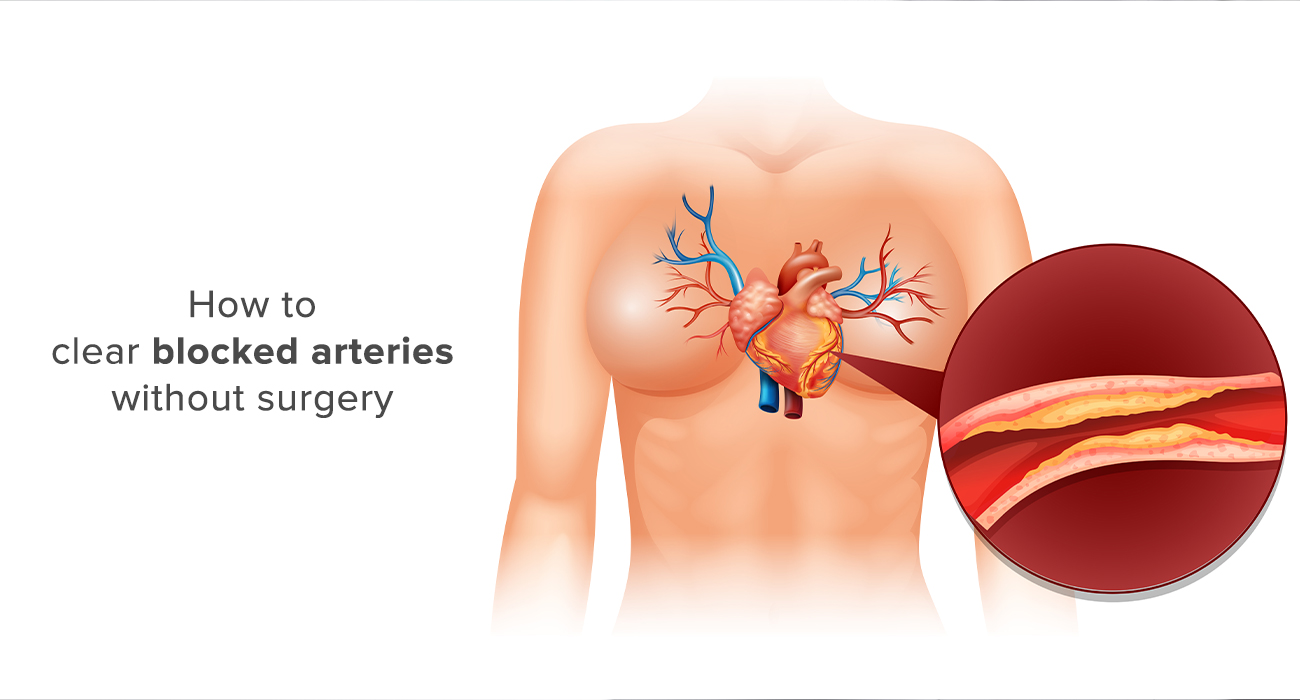
How to Clear Blocked Arteries without Surgery? Natural Methods
03/26/2024
Are you searching "what helps clear blocked arteries without surgery", "how to clear blocked arteries without surgery in Hindi", or "can you clear clogged arteries without surgery"?
You cannot fully clear blocked arteries naturally, but you can slow, stabilize, and sometimes slightly reduce plaque buildup through lifestyle changes like diet, exercise, and quitting smoking. Medical care is still essential for moderate to severe blockages.
First, have a look at Quick Myths
| Myth | Fact (2026 Guidelines) | Expected Benefit |
| Clears all plaque | Slows/stabilizes only | 5-10% regression early-stage |
| No medical need | Pair with screenings | 30% lower event risk |
| Quick fix | 6-12 weeks initial gains | Lifelong for sustainment |
Natural Ways to Clear Blocked Arteries
Natural ways can help slow, stabilize, and sometimes modestly improve artery plaque, but they usually do not “wipe out” significant blockages on their own. The most effective approach is a long-term mix of diet, exercise, weight control, and risk-factor management
Heart-Healthy Dietary Changes
- Adopting a heart-healthy diet rich in fruits, vegetables, whole grains, and lean proteins can significantly impact arterial health.
- Incorporating foods high in soluble fibre, such as oats, beans, and flaxseeds, can help lower cholesterol levels and reduce plaque buildup.
- Limiting intake of saturated fats, trans fats, and cholesterol-rich foods can prevent further arterial blockage.
- Including sources of omega-3 fatty acids, such as fatty fish (salmon, mackerel, trout), nuts, and seeds, can reduce inflammation and improve heart health.
| Food Category | India-Friendly Examples | Key Benefit |
| Soluble Fiber | Oats, ragi, beans | Lowers LDL 5-10% |
| Omega-3s | Flaxseeds, walnuts, fatty fish | Reduces inflammation 20% |
| Antioxidants | Turmeric, green tea, berries | Stabilizes plaque |
Regular Exercise
- Engaging in regular physical activity can improve circulation, lower blood pressure, and promote the development of collateral blood vessels, which can bypass blockages.
- Both aerobic exercises (such as walking, swimming, and cycling) and resistance training can be beneficial for cardiovascular health.
- Aim for at least 150 minutes of moderate-intensity exercise or 75 minutes of vigorous-intensity exercise per week, as recommended by health authorities.
Strategic Weight Management
- Maintaining a healthy weight is crucial for reducing the risk of arterial blockages.
- Excess weight can contribute to high blood pressure, high cholesterol, and insulin resistance, all of which are risk factors for cardiovascular disease.
- Adopting a balanced diet and regular exercise routine can help achieve and maintain a healthy weight.
| Exercise Type | Weekly Target | Circulation Gain |
| Aerobic | 150 min moderate | Builds collaterals |
| Resistance | 2 sessions | Improves elasticity |
| Yoga | 3x 30 min | Lowers stress/BP |
Smoking Cessation
- Smoking is a major risk factor for cardiovascular disease and can accelerate the progression of arterial blockages.
- Quitting smoking can lead to significant improvements in arterial health and overall cardiovascular risk.
- Seek support from healthcare professionals, support groups, or smoking cessation programs to quit smoking successfully.
| Timeline After Quitting | Arterial Improvement | Risk Reduction |
| 2 weeks | BP normalizes | - |
| 1 year | Plaque stabilizes | 50% CAD drop |
| 5 years | Stroke risk halves | Matches non-smoker |
Stress Management
- Chronic stress can contribute to arterial stiffness, high blood pressure, and inflammation, all of which can worsen arterial blockages.
- Practice stress-reduction techniques such as deep breathing exercises, meditation, yoga, or progressive muscle relaxation.
- Engage in activities that promote relaxation and enjoyment, such as spending time in nature, pursuing hobbies, or socializing with loved ones.
| Strategy | Daily Practice | Outcome |
| Meditation | 10 min deep breathing | Lowers inflammation |
| Weight Loss | 500 cal deficit | Improves insulin sensitivity |
| Sleep | Consistent schedule | Reduces cortisol 20% |
Herbal Supplements and Nutritional Therapies
- Certain herbal supplements and nutrients have been studied for their potential to improve arterial health and reduce plaque buildup.
- Examples include garlic, turmeric, ginger, green tea, and coenzyme Q10 (CoQ10), which have antioxidant and anti-inflammatory properties.
- Consult with a healthcare provider before starting any herbal supplements or nutritional therapies, as they may interact with medications or have contraindications.
| Supplement | Dose Example | Caution |
| Garlic | 600-1200 mg | Blood thinners |
| Turmeric | 500 mg curcumin | Gallbladder issues |
| CoQ10 | 100-200 mg | Statin users |
Medical Monitoring and Treatment
- Regular medical check-ups and screenings are essential for monitoring cardiovascular health and detecting any progression of arterial blockages.
- Depending on individual risk factors and the severity of blockages, medications such as statins, blood thinners, or antiplatelet drugs may be prescribed to manage cholesterol levels, prevent blood clots, and reduce the risk of cardiovascular events.
- In some cases, minimally invasive procedures such as angioplasty with stent placement or atherectomy may be recommended to address significant blockages.
When to See a Cardiologist
See a heart doctor (cardiologist) if you notice:
- Chest pain or discomfort
- Feeling unusually tired without a clear reason
- A family history of heart disease
It’s also a good idea to get yearly checkups. Tests like an echocardiogram (heart scan) or CIMT (carotid artery scan) can help track your heart and blood vessel health over time.
Sometimes, lifestyle changes alone aren’t enough. Medicines like statins help control cholesterol and reduce risk. If you have conditions like diabetes or you smoke, your risk is higher, so you may need more careful and regular treatment to avoid complications.
| Symptom | Test Recommended | Action Threshold |
| Chest discomfort | Stress test | >20% blockage |
| High LDL | Lipid panel | >70 mg/dL target |
| Family history | CAC score | Score >100 |
Conclusion
Natural methods like diet, exercise, and stress management are powerful tools to protect and improve heart health, but they do not completely clear blocked arteries. A combined approach—lifestyle + medical care—is the safest and most effective strategy.
Key Myth vs Fact
| Myth | Fact |
| You can “clean” arteries naturally | You can only manage and slow disease |
| Supplements remove plaque | No strong scientific proof |
| Exercise unclogs arteries | It improves circulation, not removal |
Frequently Asked Questions (FAQs)
Q1: Is it possible to clear blocked arteries naturally without surgery?
A: While severe blockages often require medical procedures like angioplasty, natural methods are highly effective at managing atherosclerosis. By adopting a heart-healthy diet, regular exercise, and stress management, you can reduce plaque buildup, improve blood flow, and prevent new blockages from forming.
Q2: Which foods are best for cleaning arteries?
A: Focus on foods rich in soluble fiber and antioxidants. Oats, beans, flaxseeds, and leafy greens help lower cholesterol. Additionally, Omega-3 rich foods like salmon and walnuts reduce arterial inflammation, which is a key cause of plaque rupture.
Q3: How long does it take to see results from lifestyle changes for heart health?
A: Most patients begin to see improvements in blood pressure and cholesterol levels within 6 to 12 weeks of consistent lifestyle changes. However, long-term commitment is essential to significantly slow the progression of arterial disease.
Q4: Can exercise "unclog" arteries?
A: Exercise doesn't physically "scrub" plaque away, but it promotes the development of collateral blood vessels (natural bypasses) and improves the elasticity of your arteries, allowing for better blood flow even around existing blockages.
Q5: Are herbal supplements safe for heart blockages?
A: Supplements like Garlic, Turmeric, and CoQ10 have shown benefits for heart health. However, they can interact with blood thinners or blood pressure medications. Always consult a cardiologist at Eternal Hospital before starting any new supplement regimen.
Q6. How to clear blocked arteries without surgery
A: Lifestyle changes like a heart-healthy diet (fruits, veggies, omega-3s), regular exercise, quitting smoking, and stress management can reduce plaque buildup naturally. Consult a doctor first.
Q7: How to clear blocked arteries without surgery at home
A: At home, consume garlic, ginger, turmeric, green tea, beetroot juice; eat berries, leafy greens; exercise daily. These support arterial health but aren't cures.
Q8: What helps clear blocked arteries without surgery
A: Diet rich in antioxidants (garlic, turmeric, pomegranates), exercise, weight control, and supplements like CoQ10 help manage plaque. Medical advice essential.
Q9: Can you clear clogged arteries without surgery
A: Yes, partially via diet, exercise, and lifestyle; severe cases often need procedures. Natural methods slow progression effectively.